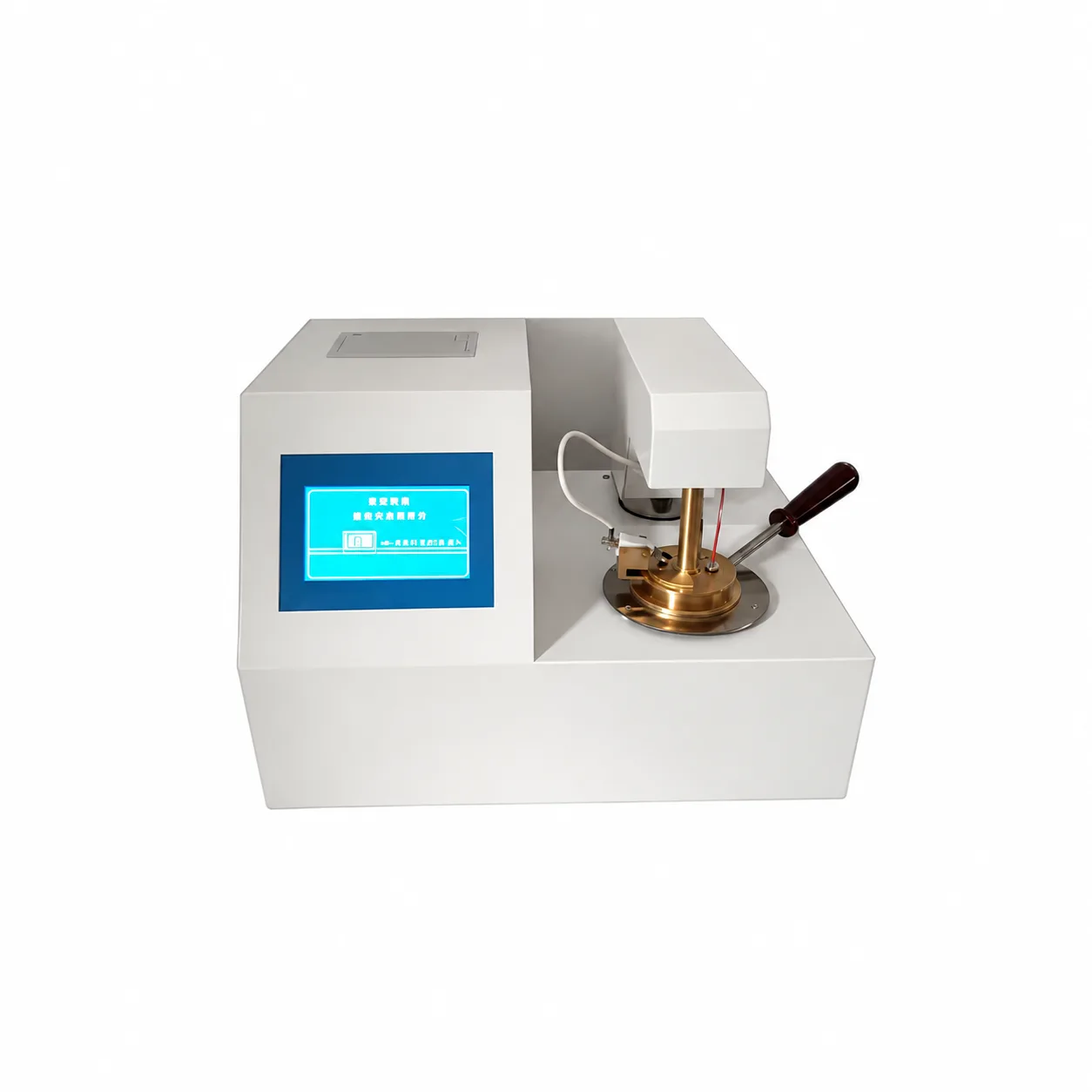
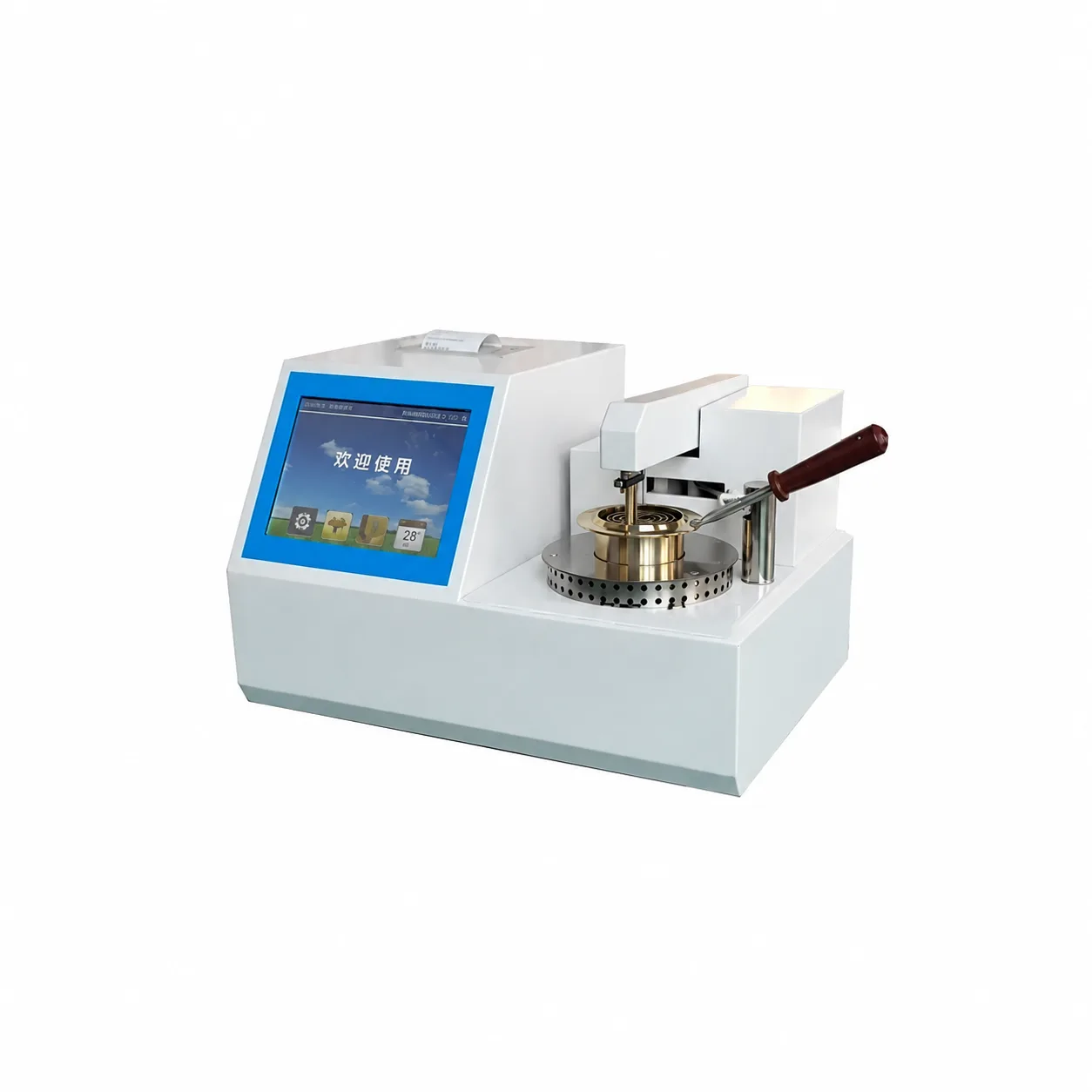
Open Cup vs Closed Cup Flash Point Testing: How to Choose the Right Method
Choose a flash point method from the product specification and the purpose of the test. The expected temperature is useful, but it is not enough to select an instrument.
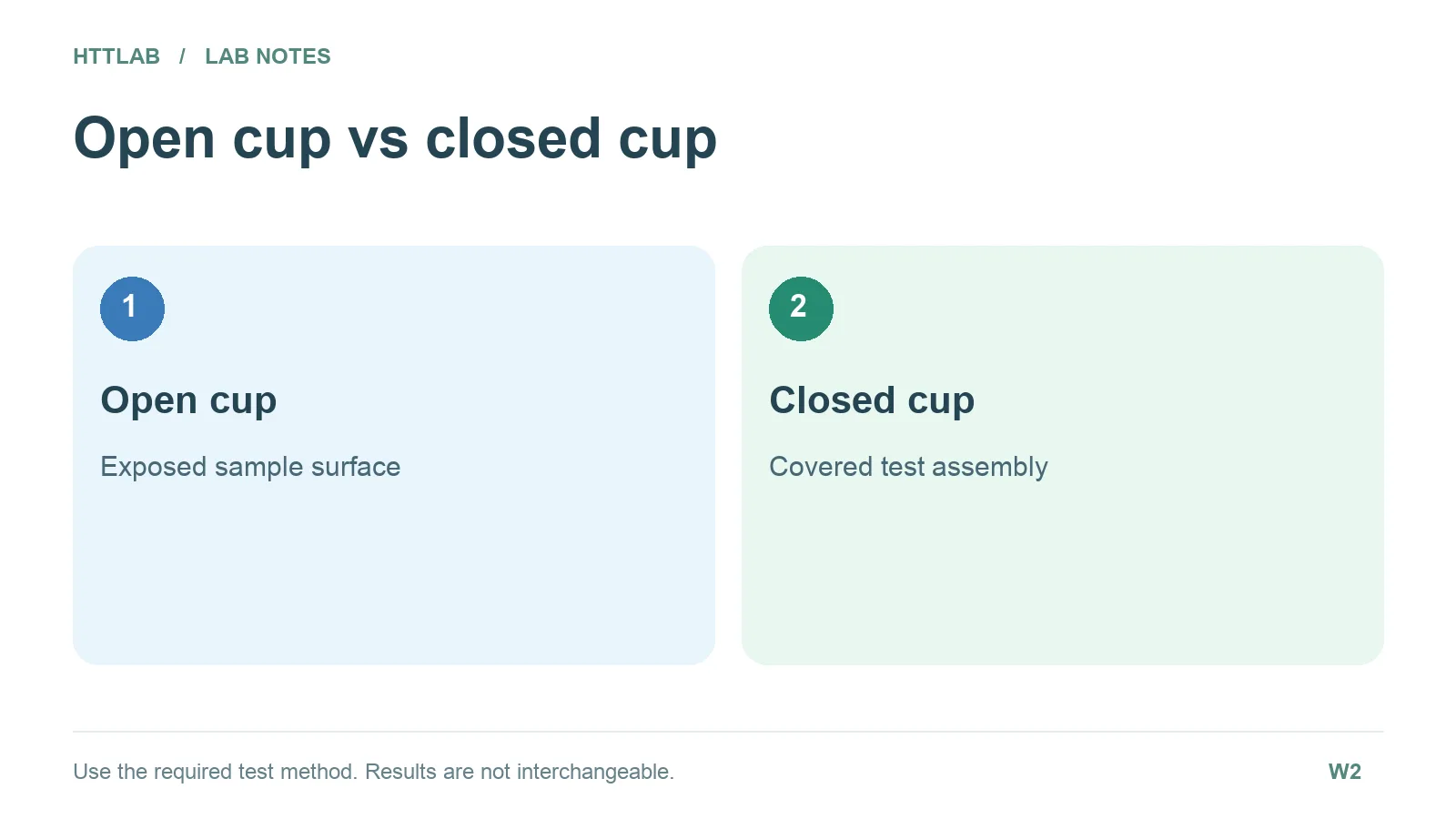
Open cup and closed cup methods use different test conditions. Their results should not be substituted for one another or converted with a fixed temperature adjustment. A report must identify the method used.
Start with the specification
Find the test method stated in the purchase contract, product specification or laboratory procedure. Record its designation and required edition. If no method is specified, agree on one with the customer or responsible technical team before ordering equipment.
Common examples are ASTM D92, which uses a Cleveland open cup, and ASTM D93, which uses a Pensky-Martens closed cup. These are examples, not a complete list of flash point methods. A requirement for a different closed cup method cannot be met simply by supplying any closed cup tester.
Understand the test conditions
In an open cup test, the specimen surface is exposed to the surrounding atmosphere. A closed cup method uses a covered test assembly with defined ignition conditions. Differences in vapor retention, heating and other method conditions affect the measured result.
Closed cup results are often lower for the same material, but the difference is not constant. Comparing values from different methods can lead to a false conclusion about a batch or an instrument.
Flash point is also different from fire point and autoignition temperature. If a customer requests one of those properties, confirm that the proposed method measures it. A flash point instrument does not automatically provide all three results.
Match the material to the method
Describe the sample precisely: product name, whether it is new or used, expected flash point and any unusual behavior. Viscosity, suspended material and surface film formation may matter when selecting the applicable procedure.
The supplier should explain the proposed method and procedure for that material. Ask how the system handles the relevant heating, stirring, ignition and detection requirements. Do not accept a broad statement such as “suitable for all oils” as the application assessment.
| Procurement question | Why it matters |
|---|---|
| Which method and procedure are required? | Determines the test assembly and operating sequence |
| What materials will be tested? | Establishes application suitability |
| What temperature range is expected? | Helps assess instrument range and supporting equipment |
| How many samples arrive each day? | Determines staffing and turnaround needs |
| What must appear on the report? | Defines identification, method and data-recording functions |
| What installation conditions are available? | Determines utilities, ventilation and bench requirements |
Review automation and records
Ask which steps are controlled by the instrument and which remain with the operator. Useful questions concern temperature control, ignition application, detection, cooling and report handling.
Request an example report showing sample identification, method, relevant procedure, test result and any method-required correction. Confirm whether results can be exported in the format your laboratory needs.
Include cleaning, routine verification and maintenance in the workload discussion. The time to heat one specimen does not represent the complete time between reportable results.
Before requesting a quote
Send the supplier the product name, required method and edition, expected range, daily workload and installation country. Ask for an itemized configuration and supporting application information.
See HTTLAB petroleum testing instruments for product options. Use the contact page to discuss the required method before selecting a flash point model.


